
There’s something incredibly satisfying about pulling a fresh pizza from the oven, the scent of warm bread and bubbling cheese filling the air. I first discovered the joyful art of pizza-making while searching for ways to bring a bit of creativity back into our mealtime—after all, the routine of fast food was becoming all too predictable. This easy homemade pizza dough recipe changed everything for me, transforming simple ingredients into something extraordinary.
With just six key components, this beginner-friendly dough recipe yields a soft and chewy crust that’s perfect for topping with your favorites. It’s versatile enough to accommodate any dietary preference, whether you stick to classic all-purpose flour or opt for a heartier whole wheat version. Plus, the process of making your own dough is not only rewarding but also a fun opportunity to engage your family or friends in the kitchen. Say goodbye to store-bought dough, and let’s create pizza night magic together!

Why is Homemade Pizza Dough a Game Changer?
Irresistibly tasty: Your pizza will have a chewy, bakery-quality crust that elevates every bite.
Easy to make: With just 6 ingredients, you’ll whip up this dough in no time—great for beginners!
Versatile options: Customize with whole wheat flour or add herbs for a unique flavor boost.
Family fun: Gather loved ones in the kitchen for a memorable pizza-making experience together.
Time-saving: Make ahead and store for quick pizza nights anytime—goodbye, fast food!
Homemade Pizza Dough Ingredients
• Here’s everything you’ll need to create the perfect homemade pizza dough!
For the Dough
- Warm Water – Hydrates yeast and is crucial for fermentation; use it at approximately 110°F for optimal yeast activation.
- Sugar – Feeds the yeast for fermentation and adds browning; you can substitute honey or agave syrup if desired.
- Active Dry Yeast – Responsible for making the dough rise; ensure it’s fresh for best results by checking for foam after mixing with water and sugar.
- All-Purpose Flour – Provides structure and chewiness to your crust; feel free to replace up to half with white whole wheat flour for a nuttier flavor.
- Sea Salt – Enhances the flavor of the dough and controls yeast activity; avoid iodized salt as it may affect yeast performance.
- Extra-Virgin Olive Oil – Adds moisture and flavor to the dough; can be substituted with any vegetable oil, but olive oil is preferred for its taste.
Optional Seasoning
- Garlic Powder or Italian Herbs – Enhance the flavor of the dough; these can be mixed in for an extra burst of taste!
Now that you have your ingredients ready, get excited to create something special—your homemade pizza dough!
How to Make Homemade Pizza Dough
Combine Ingredients: In a small bowl, mix the warm water, sugar, and active dry yeast. Let it sit for about 5 minutes until it foams, ensuring your yeast is active and ready to work.
Mix Dry Components: In a stand mixer fitted with a dough hook, combine the all-purpose flour and sea salt. This helps distribute the salt evenly for balanced flavor.
Add Wet Ingredients: Pour in the yeast mixture and extra-virgin olive oil. Mix on low speed until the dough begins to form a ball, about 5-6 minutes. If needed, adjust the mixture with extra flour or water for the right consistency.
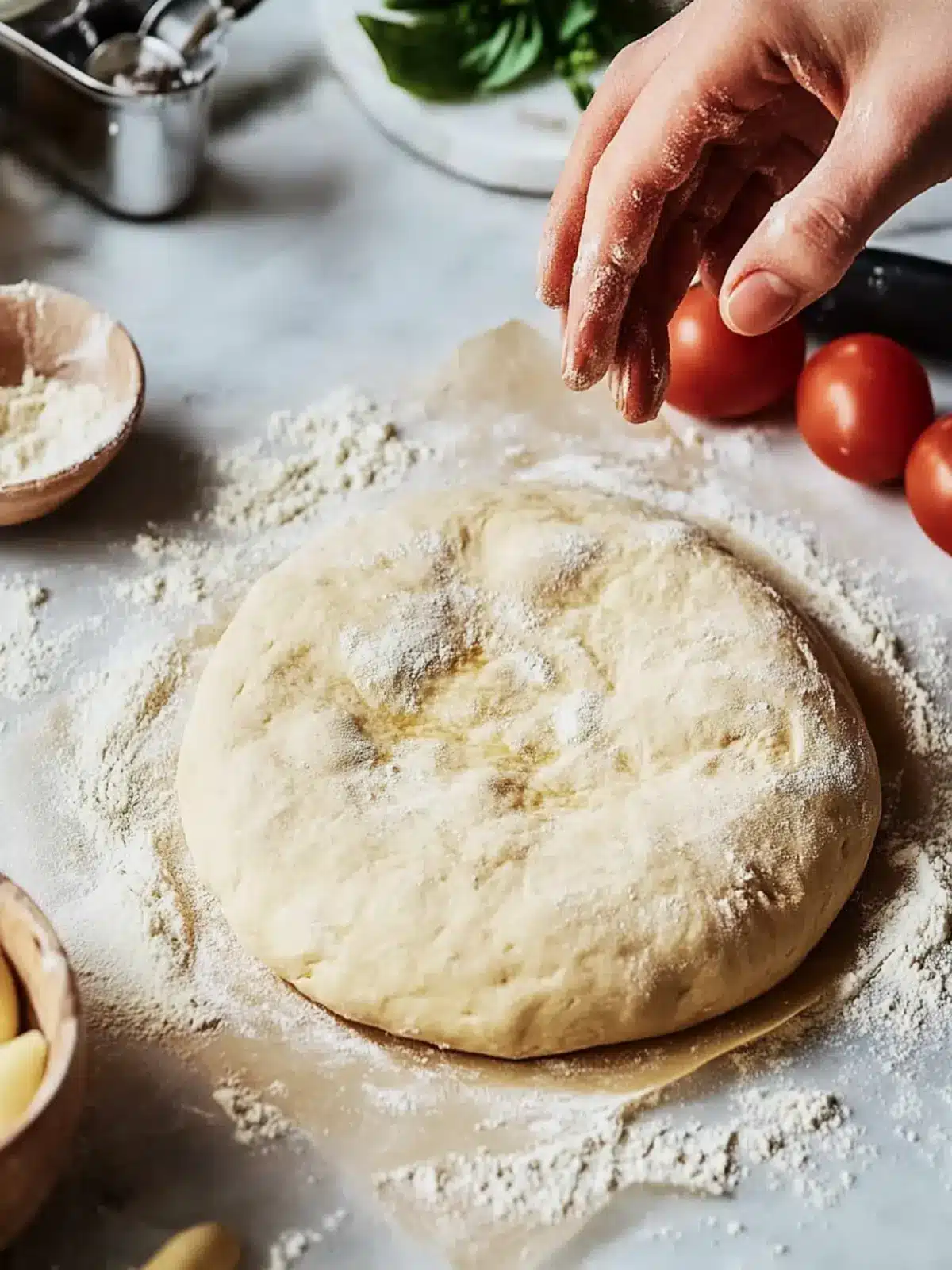
Knead the Dough: Lightly flour a surface and knead the dough briefly until smooth. Shape it into a ball, which helps develop the gluten for a chewy texture.
Let it Rise: Place the dough in a lightly oiled bowl, cover it with a damp cloth, and let it rise in a warm area until doubled in size—about 1 hour is typical.
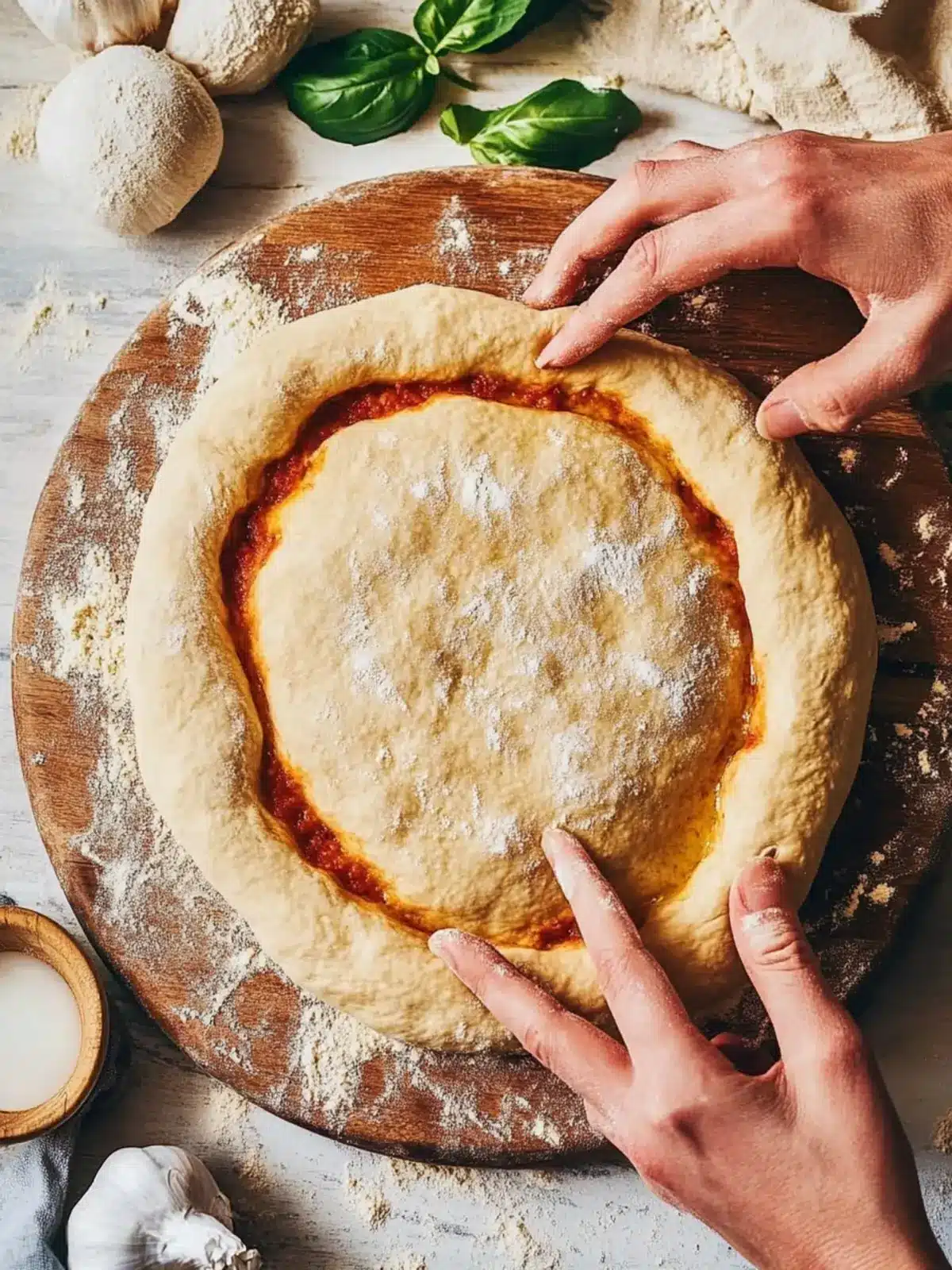
Preheat & Shape: Preheat your oven to 500°F (260°C). Roll out the dough to fit your pizza pan, ensuring it’s nice and thin for the perfect crust.
Top & Bake: Add your desired toppings and bake for 10-15 minutes, watching for that lovely golden brown color on the crust.
Optional: Sprinkle some cornmeal on the baking surface for added crunch!
Exact quantities are listed in the recipe card below.
Make Ahead Options
These homemade pizza dough options are perfect for busy weeknights, allowing you to enjoy delicious pizza with minimal effort! You can prepare the dough up to 24 hours in advance. After mixing and kneading, cover the dough with plastic wrap and refrigerate it to slow down fermentation, which enhances flavor. If you want even more flexibility, the dough can be frozen for up to 3 months. Just let it thaw overnight in the refrigerator and allow it to come to room temperature before rolling out. When you’re ready to cook, simply shape, top, and bake for a fresh, chewy crust that tastes just as delightful as if made the same day!
How to Store and Freeze Homemade Pizza Dough
Fridge: Store your homemade pizza dough in an airtight container or tightly wrapped in plastic wrap for up to 2 days. Make sure it’s well-oiled to prevent sticking.
Freezer: For longer storage, freeze the dough for up to 3 months. Wrap it tightly in plastic wrap and place it in a resealable freezer bag to avoid freezer burn.
Thawing: When ready to use, thaw the frozen dough overnight in the refrigerator. Allow it to come to room temperature for about 30 minutes before shaping it for your pizza.
Reheating: If you’ve par-baked the dough, reheat in the oven at 375°F until warmed through, about 5-10 minutes, before adding toppings and finishing baking.
Homemade Pizza Dough Variations
Feel free to get creative and make this pizza dough your own with these exciting variations!
Whole Wheat: Swap all-purpose flour for whole wheat for a nuttier, heartier crust. This option adds both flavor and nutrition, making your pizza delightfully wholesome.
Herbed Dough: Mix in garlic powder, dried oregano, or Italian seasoning to the flour. This twist infuses more flavor into the crust, making every bite mouthwatering.
Spicy Kick: Add red pepper flakes or a pinch of cayenne pepper for a spicy version. This variation gives your pizza an extra zing, perfect for those who love heat!
Cheesy Crust: Incorporate grated Parmesan or mozzarella cheese into the dough before baking. This touch creates a cheesy-flavored crust that enhances every pizza topping.
Sweet Twist: Mix in a teaspoon of honey or cinnamon for a subtle sweetness. This is especially delightful for dessert pizzas topped with fruits or chocolate!
Gluten-Free: Use a gluten-free flour blend as a direct substitute for all-purpose flour. This makes the dough accessible to those with dietary restrictions while still being incredibly tasty.
Beer-Based: Replace the warm water with your favorite beer for an additional depth of flavor. The yeast works perfectly with beer, creating a unique and delicious dough.
Garlic-Infused Oil: Use garlic-infused olive oil instead of plain olive oil for an extra punch. It adds a deliciously aromatic quality, making the crust irresistible!
Expert Tips for Homemade Pizza Dough
- Check Yeast Freshness: Always ensure your yeast is active by looking for foam after mixing with warm water and sugar—no foam means it’s likely dead.
- Dough Consistency Matters: Keep an eye on the dough; if it’s too sticky, add a sprinkle of flour. If too dry, a few drops of water can help achieve the right texture.
- Flavor Infusion: For a more complex and savory crust, consider adding garlic powder or Italian herbs directly into the flour mixture before combining with wet ingredients.
- Rising Tips: Warm dough helps it rise better; place it in a warm spot while it doubles in size, ensuring a light and airy crust when baked.
- Make-Ahead Convenience: To save time, make your homemade pizza dough in advance; it can be refrigerated for up to 2 days or frozen for up to 3 months!
- Customize with Whole Wheat: For added nutrition, substitute part or all of the all-purpose flour with white whole wheat flour for a hearty twist on your homemade pizza dough.
What to Serve with Easy Pizza Dough?
Elevate your pizza night with delightful sides and pairings that enhance this homemade masterpiece.
Fresh Garden Salad: A crisp salad with mixed greens and tangy vinaigrette balances the rich, cheesy flavors of your pizza. The freshness cuts through the richness, creating a symphony of tastes in every bite.
Garlic Breadsticks: Soft, buttery breadsticks infused with garlic and herbs make for a perfect appetizer. They’re perfect for dipping in marinara sauce, and their warm, comforting taste complements your pizza beautifully.
Roasted Vegetables: Seasonal roasted veggies bring a delicious, smoky flavor to your table. The caramelization adds a touch of sweetness that contrasts delightfully with savory pizza toppings.
Margherita Salad: This refreshing mix of sliced tomatoes, mozzarella, and basil complements the flavors of your pizza. The vibrant colors and fresh ingredients create a beautiful and tasty counterpart on your dining table.
Homemade Marinara Sauce: Create a dipping sauce from scratch for an extra layer of flavor. Its robust, tangy taste pairs excellently with your cheesy slices, ensuring each bite is bursting with deliciousness.
Chilled Sparkling Water: A fizzy drink refreshes your palate and enhances the meal experience. Served with a slice of lemon or lime, it adds sparkle to your pizza party.
Chocolate Chip Cookies: End your meal on a sweet note with warm cookies. The gooey chocolate provides a delightful contrast to the savory pizza, making it a perfect combination.
Craft Beer: A hoppy IPA or a light lager can perfectly complement the cheesy goodness. The carbonation cleanses the palate, enhancing the overall experience of your homemade pizza night.
Homemade Pizza Dough Recipe FAQs
How do I know if my yeast is fresh?
Absolutely! To test your yeast, mix warm water (about 110°F) with a bit of sugar and sprinkle in your active dry yeast. Let it sit for about 5 minutes. If it foams up, your yeast is alive and ready to work its magic!
What’s the best way to store homemade pizza dough?
Very simple! For short-term storage, place your dough in an airtight container or wrap it tightly in plastic wrap, storing it in the fridge for up to 2 days. For longer storage, freeze your dough for up to 3 months. Just make sure it’s well-wrapped to prevent freezer burn!
Can I freeze my pizza dough? If yes, how?
Yes, indeed! To freeze pizza dough, wrap it tightly in plastic wrap and place it in a resealable freezer bag. Make sure to squeeze out as much air as possible to avoid freezer burn. When you’re ready to use it, just thaw it in the refrigerator overnight and let it sit at room temperature for 30 minutes before shaping!
What should I do if my dough is too sticky or too dry?
Very good question! If your dough sticks to your hands or the surface, sprinkle in a little flour, one tablespoon at a time, until it’s manageable. If it’s too dry, add water, half a teaspoon at a time, to regain the right consistency. Finding that perfect balance takes practice, but you’ll get there!
Can I use whole wheat flour instead of all-purpose flour?
Absolutely! You can substitute up to half of the all-purpose flour with white whole wheat flour for a heartier texture. Just keep in mind that this may slightly change the flavor and texture of your crust, making it a bit denser and nuttier.
Is homemade pizza dough safe for pets?
Generally, it’s best to keep pizza dough away from pets. The ingredients are not inherently toxic, but raw yeast can cause digestive issues for animals. If you’re unsure, it’s always safer to stick to pet-friendly treats for your furry friends!
Homemade Pizza Dough for Irresistibly Chewy Crust Delight
Ingredients
Equipment
Method
- Combine Ingredients: In a small bowl, mix the warm water, sugar, and active dry yeast. Let it sit for about 5 minutes until it foams, ensuring your yeast is active and ready to work.
- Mix Dry Components: In a stand mixer fitted with a dough hook, combine the all-purpose flour and sea salt. This helps distribute the salt evenly for balanced flavor.
- Add Wet Ingredients: Pour in the yeast mixture and extra-virgin olive oil. Mix on low speed until the dough begins to form a ball, about 5-6 minutes. If needed, adjust the mixture with extra flour or water for the right consistency.
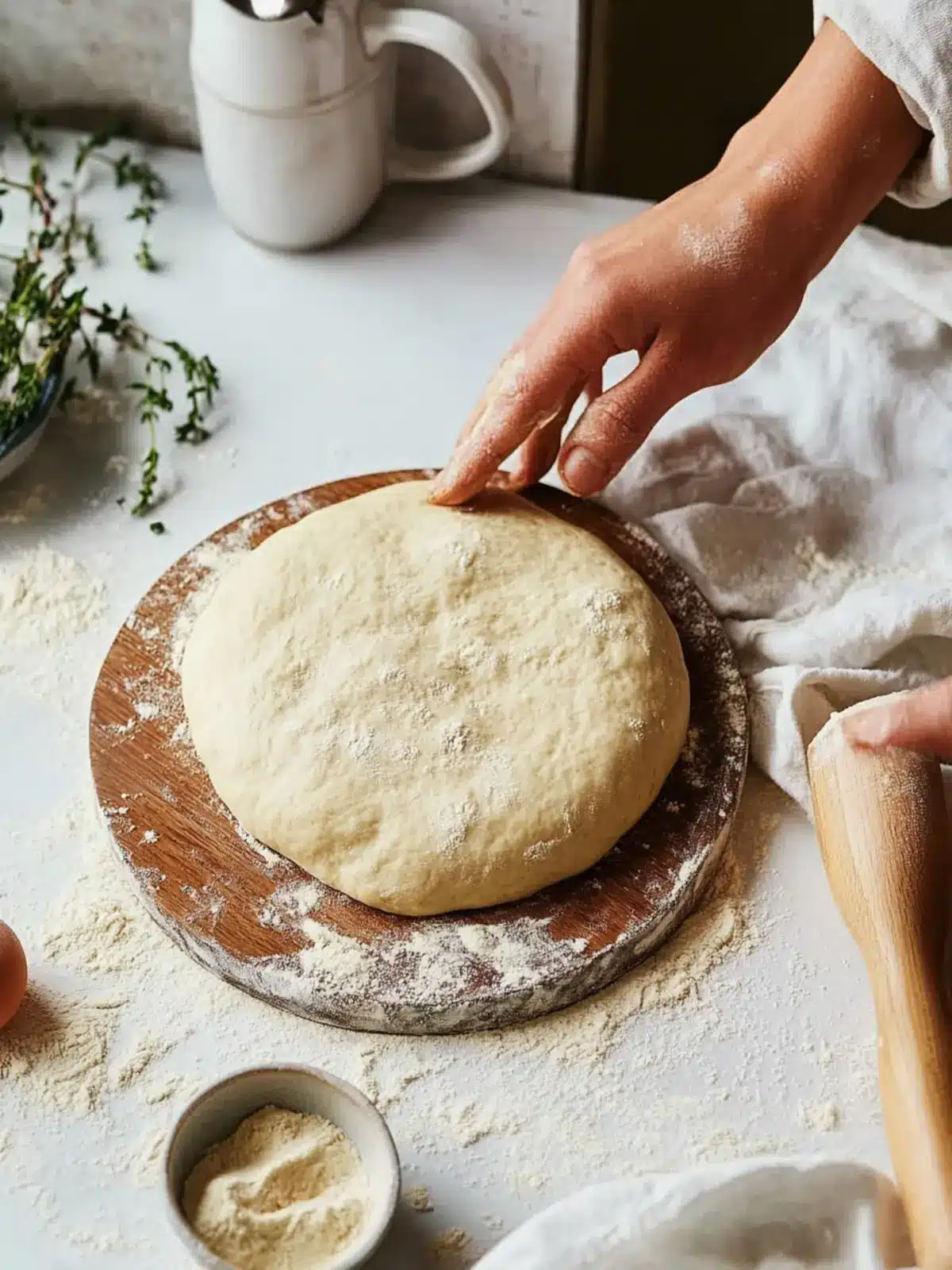
- Knead the Dough: Lightly flour a surface and knead the dough briefly until smooth. Shape it into a ball, which helps develop the gluten for a chewy texture.
- Let it Rise: Place the dough in a lightly oiled bowl, cover it with a damp cloth, and let it rise in a warm area until doubled in size—about 1 hour is typical.
- Preheat & Shape: Preheat your oven to 500°F (260°C). Roll out the dough to fit your pizza pan, ensuring it’s nice and thin for the perfect crust.
- Top & Bake: Add your desired toppings and bake for 10-15 minutes, watching for that lovely golden brown color on the crust.