
When I first decided to take a healthier approach to my cooking, the thought of making my own mayonnaise felt daunting. But I quickly learned that this creamy spread is not only incredibly easy to whip up, but it also offers a vibrant flavor that far surpasses anything from a jar. Imagine opening your refrigerator to find a thick, homemade mayonnaise made with fresh ingredients, waiting to elevate your sandwiches, salads, and dips.
This quick recipe uses just a handful of staples—things you likely already have on hand—and effortlessly transforms them into a velvety condiment that can be customized to suit your taste. Whether you’re looking for that perfect tang or a touch of sweetness to mimic your favorite store-bought brands, I’ve got you covered. Embrace the joy of homemade mayo with me and discover how simple it can be to create your own culinary masterpiece. Ready to get blending? Let’s dive into this deliciously satisfying endeavor!

Why choose homemade mayonnaise over store-bought?
Simplicity: This recipe requires minimal ingredients and just a few steps, making it a breeze for anyone in the kitchen.
Creamy Texture: Achieve a thick and luscious mayonnaise that spreads beautifully on sandwiches and dips.
Tailored Flavor: Adjust the tang or sweetness to suit your palate—no more settling for bland, store-bought versions.
Healthier Choice: Use fresh, high-quality ingredients for a homemade mayo that’s free from preservatives.
Versatility: Perfect for salads, burgers, or as a base for dressings, this mayo adapts to whatever you’re cooking.
Time-Saving: Whip it up in minutes and store it for a week, eliminating the need for last-minute grocery runs for condiments.
Homemade Mayonnaise Ingredients
• Get ready to create your own delicious mayonnaise!
For the Base
- Large egg – This is the essential ingredient that provides the foundation and helps emulsify the mayonnaise; fresh organic eggs yield the best flavor.
- Dijon mustard – Adds a zesty kick and assists in emulsification; if needed, you can swap it out for yellow mustard.
- White vinegar – Crucial for acidity; for a unique taste, consider using apple cider vinegar instead.
- Lemon juice – Balances the richness and enhances the flavor; opt for fresh juice for a brighter taste.
- Fine sea salt – Boosts all the flavors; feel free to adjust according to your taste or use kosher salt if desired.
- Sugar (optional) – Helps balance acidity for a taste closer to commercial mayonnaise; skip it if you prefer a more savory flavor or use honey as a natural sweetener.
For the Creaminess
- Extra light olive oil or neutral oil (like canola or avocado) – This is the secret to achieving that rich, creamy texture; avoid extra virgin olive oil as it has a strong flavor that might overpower the mayonnaise.
Now that we have our ingredients ready, it’s time to start blending and create a creamy homemade mayonnaise that elevates all your favorite dishes!
How to Make Homemade Mayonnaise
Combine Ingredients: In a tall container, such as a mason jar, add the whole egg, Dijon mustard, white vinegar, lemon juice, and sea salt. This mixture creates a wonderful base for your homemade mayonnaise.
Add Oil: Pour the extra light olive oil over the other ingredients and let it sit for about 15 seconds. Allowing the oil to settle helps with emulsification when you start blending.
Blend: Insert the immersion blender all the way down to the bottom of the container. Blend for about 10 seconds until you observe the mixture beginning to emulsify and thicken.
Incorporate Oil: Slowly lift the blender while continuing to blend. This step will help incorporate the remaining oil. Blend until the mayonnaise reaches a thick and creamy consistency.
Adjust Seasoning: Taste your mayonnaise. Feel free to adjust the salt, lemon juice, or sugar if you’d like a little more tang or sweetness—it’s all about your personal taste!
Store: Transfer the mayonnaise to a clean, airtight container. Store it in the refrigerator for up to one week, and enjoy the freshness!
Optional: Toss in some garlic for a quick garlic aioli variation!
Exact quantities are listed in the recipe card below.
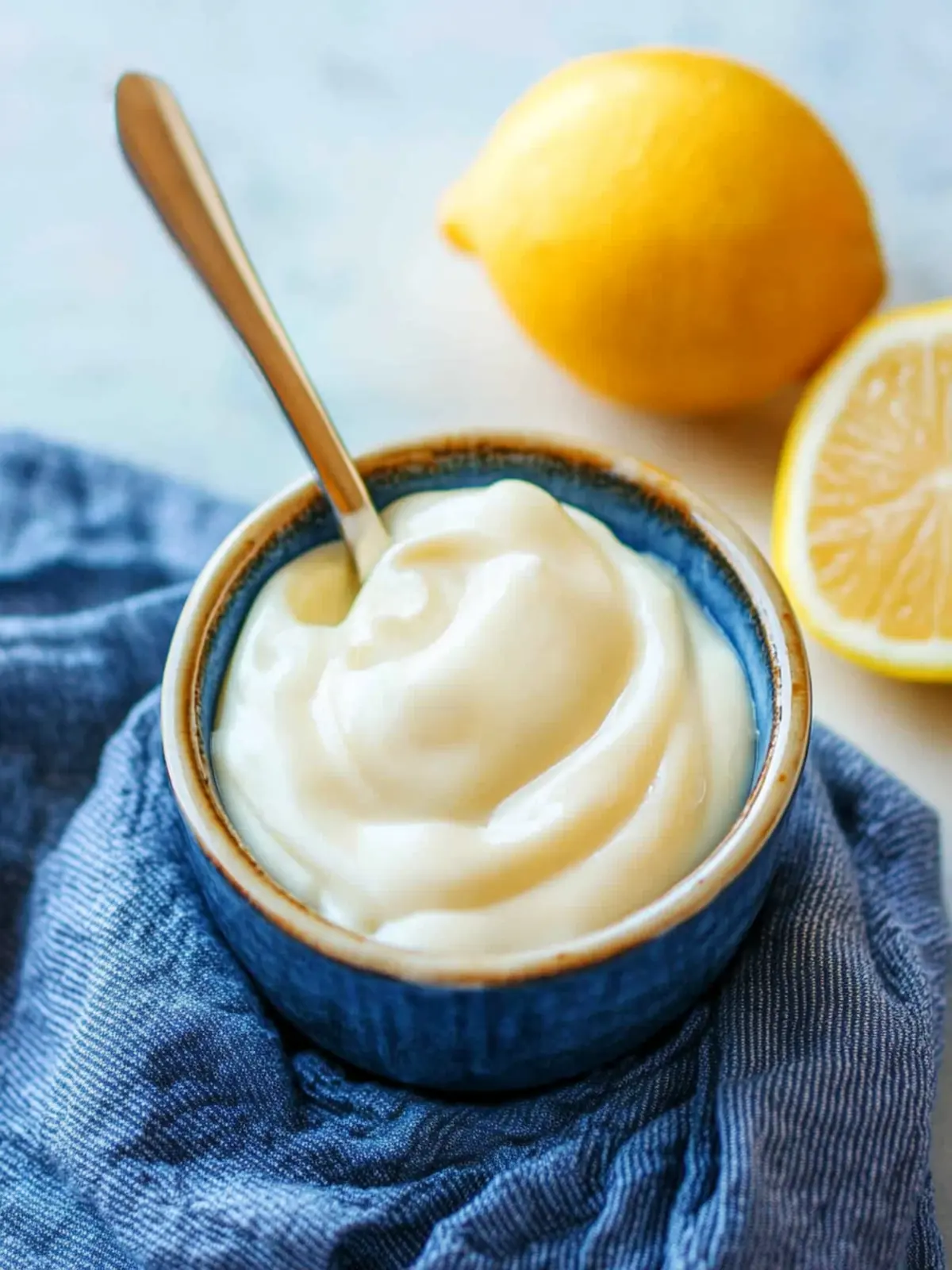
Make Ahead Options
These homemade mayonnaise preparations are perfect for busy home cooks! You can whip up the base—combining the egg, Dijon mustard, white vinegar, lemon juice, and salt—up to 24 hours in advance by sealing it in an airtight container and refrigerating it. When you’re ready to finish, simply add the oil and blend to achieve that silky, creamy consistency. This method not only saves time during hectic meal prep but also allows the flavors to mingle beautifully overnight. Just remember to give it a quick taste test before serving to ensure all is balanced—you’ll enjoy the same fresh, delicious flavor as if you made it from scratch that day!
What to Serve with Homemade Mayonnaise?
Imagine a vibrant picnic spread, complete with delightful textures and flavors that enhance every dish.
- Fresh Garden Salad: The creamy richness of homemade mayonnaise complements the crisp, refreshing greens, bringing a harmonious balance to every bite.
- Classic BLT Sandwich: Slather on that velvety mayonnaise, adding a luxurious touch to the hearty layers of bacon, lettuce, and juicy tomatoes.
- Grilled Veggie Wraps: Pairing your mayo with grilled vegetables creates a delicious, creamy contrast that elevates the dish to new heights.
- Crispy French Fries: Ditch the ketchup! Homemade mayo is the perfect dip, offering a smooth, creamy experience that fries crave.
- Deviled Eggs: Mixing a spoonful of your creamy concoction into the yolk filling makes for a rich and tangy flavor that will impress your guests.
- Coleslaw: Use homemade mayonnaise as the base for your coleslaw dressing, adding that delightful creaminess and twang to your crunchy mix.
- Shrimp Cocktail: Elevate your seafood game by serving a dollop of homemade mayo mixed with a splash of lemon juice for a zesty dip.
- Beer or Wine Pairing: Enjoy with a crisp white wine or light lager for a refreshing experience that perfectly accompanies your homemade spreads.
- Chocolate Chip Cookies: Surprise your taste buds! Pairing the creamy mayonnaise with rich cookies brings an unexpected depth that complements the sweetness beautifully.
How to Store and Freeze Homemade Mayonnaise
Fridge: Store your homemade mayonnaise in a clean, airtight container for up to 1 week. This ensures its freshness and creamy texture, allowing you to enjoy the rich flavors every time.
Freezer: Homemade mayonnaise is best enjoyed fresh and is not recommended for freezing as it may separate upon thawing. It’s better to make small batches to maintain quality.
Reheating: If your mayonnaise thickens in the fridge, whisk it vigorously or blend it gently to restore its creamy consistency without adding any heat.
Room Temperature: Keep homemade mayo out at room temperature for no longer than 2 hours to avoid spoilage. Always refrigerate it after use to maintain its freshness.
Homemade Mayonnaise Variations & Substitutions
Feel free to explore and personalize this creamy delight to match your tastebuds and dietary needs!
- Garlic Aioli: Add minced garlic to the base ingredients for a savory garlic aioli that elevates your favorite dishes.
- Herbed Mayonnaise: Stir in fresh herbs like dill or basil for a refreshing twist that’s perfect for summer salads and sandwiches.
- Spicy Kick: Mix in a teaspoon of sriracha or your favorite hot sauce to give the mayonnaise a fiery edge that adds excitement to dips and wraps.
- Avocado Oil: Swap out the extra light olive oil for avocado oil to create a rich, nutty flavor profile while keeping it creamy and delicious.
- Sweeten It Up: Use honey or maple syrup instead of sugar for a natural sweetness, catering to those with preferences for unrefined sugars.
- Lemon Basil: Substitute lemon juice with fresh lime juice and toss in some finely chopped fresh basil for a zesty, herbed version that dances on the palate.
- Vegan Option: Replace the large egg with aquafaba (the liquid from canned chickpeas) to create a delightful vegan mayonnaise that’s just as creamy.
- Curry Infusion: Add curry powder for a unique flavor profile that pairs wonderfully with wraps and grilled chicken, giving it an exotic flair.
Expert Tips for Homemade Mayonnaise
Use Fresh Eggs: The quality of your eggs greatly impacts flavor. Fresh organic eggs yield the best, creamiest mayonnaise.
Emulsification is Key: If your mayonnaise appears runny, it may not have emulsified properly. Ensure you blend from the bottom up and incorporate all the oil slowly for perfect homemade mayonnaise.
Add Flavor: Want a twist? Incorporate minced garlic or fresh herbs to elevate your homemade mayo. Don’t hesitate to experiment!
Storage Secrets: For maximum freshness, keep your homemade mayonnaise in an airtight container in the fridge and consume within one week.
Avoid Over-blending: Over-blending can make your mayonnaise too thick. Blend just until you see a creamy consistency to keep it perfectly spreadable.
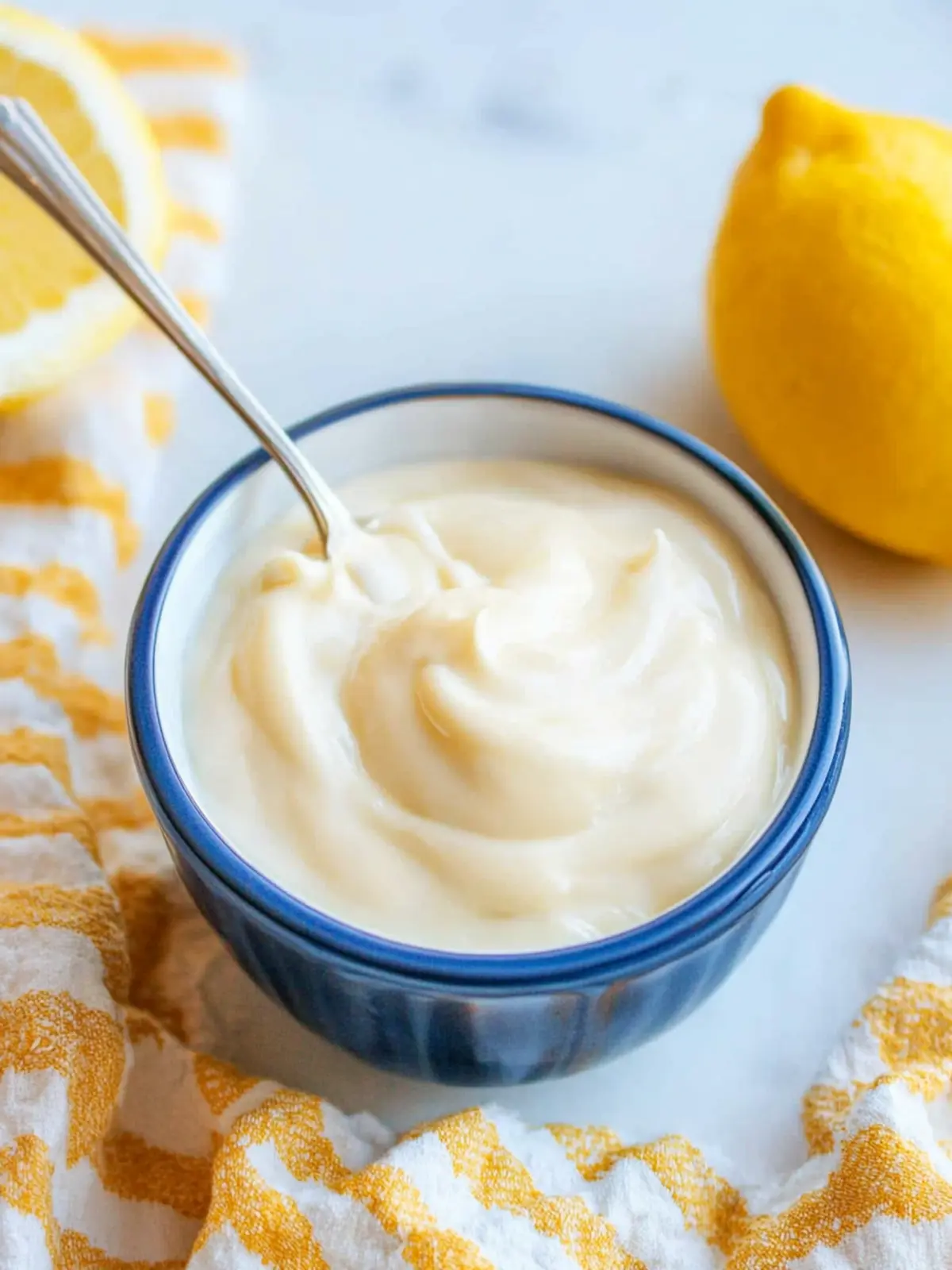
Homemade Mayonnaise Recipe FAQs
How do I choose the right egg for homemade mayonnaise?
Absolutely! Always opt for fresh organic eggs when making homemade mayonnaise, as they provide the best flavor and creaminess. Look for eggs that are clean and have no visible cracks. The fresher the egg, the better the emulsification, resulting in a thicker consistency.
How should I store leftover homemade mayonnaise?
Very! To maximize freshness, store your homemade mayonnaise in a clean, airtight container. Keep it in the refrigerator for up to one week. Always remember to use a clean utensil to scoop out the mayo each time, as this minimizes the risk of contamination.
Can I freeze homemade mayonnaise for later use?
While it’s best to enjoy homemade mayonnaise fresh, if you’re wondering about freezing, it’s not recommended because it may separate once thawed. Instead, make smaller batches that you can consume within a week to maintain its delightful texture and flavor.
What do I do if my mayonnaise doesn’t emulsify properly?
Don’t fret! If your mayonnaise appears runny or separates, simply start again with a new egg yolk in a clean bowl. Gradually add the failed mayonnaise while blending vigorously until it thickens. This step will bring everything back together for that creamy texture you desire!
Is homemade mayonnaise safe for those with dietary restrictions?
Absolutely! Homemade mayonnaise is a gluten-free and vegetarian option, making it suitable for many dietary needs. However, if you’re concerned about eggs due to allergies, you can explore egg-free mayonnaise alternatives made with aquafaba (the liquid from canned chickpeas) or silken tofu.
How long can homemade mayonnaise sit out at room temperature?
Very! Homemade mayonnaise should not be left out at room temperature for longer than 2 hours. Beyond that, the risk of spoilage increases. Always store it in the fridge after use to keep it fresh and safe to enjoy!

Creamy Homemade Mayonnaise in Minutes - A Game Changer!
Ingredients
Equipment
Method
- In a tall container, add the whole egg, Dijon mustard, white vinegar, lemon juice, and sea salt.
- Pour the extra light olive oil over the other ingredients and let it sit for about 15 seconds.
- Insert the immersion blender all the way down to the bottom of the container. Blend for about 10 seconds until you observe the mixture beginning to emulsify and thicken.
- Slowly lift the blender while continuing to blend until the mayonnaise reaches a thick and creamy consistency.
- Taste your mayonnaise and adjust the salt, lemon juice, or sugar to your liking.
- Transfer the mayonnaise to a clean, airtight container and store in the refrigerator for up to one week.